Alternating heat and cold exposure has been part of wellness traditions for centuries. Finnish sauna culture, Nordic cold plunging, and even ancient Roman bathhouses all relied on the same principle: moving between hot and cold environments to stimulate circulation and recovery.
Today, this practice is widely known as contrast temperature therapy.
But while the idea sounds simple, most people still ask practical questions, including how to do contrast therapy, what the optimal contrast therapy timing is, and what the best contrast therapy routine looks like.
This guide walks through the science, structure, and routines behind contrast temperature therapy so you can understand how to maximize the benefits of contrast therapy at home without guesswork.
What Is Contrast Therapy?
Before diving into routines, it helps to understand how contrast hot and cold therapy works and why it’s used for recovery and circulation.
At its simplest, contrast temperature therapy involves alternating between heat and cold. Most commonly, this means alternating between a sauna and cold water immersion.
Heat causes blood vessels to widen (vasodilation). Cold causes them to constrict (vasoconstriction). Alternating between these two states stimulates circulation, helping move blood, oxygen, and metabolic byproducts through the body.
This cycle is why many athletes and wellness practitioners use contrast therapy after training sessions.
People interested in the deeper physiology behind these effects often start by exploring the science behind contrast therapy benefits, which explains how alternating temperatures affect circulation, inflammation, and recovery.
But the benefits only happen when contrast therapy timing and routine structure are done properly.
Contrast Therapy Timing: The Foundation of an Effective Routine
When discussing contrast therapy timing, two factors matter most:
- How long you stay in the heat
- How long you stay in the cold
A typical contrast therapy session usually follows a repeating pattern:
• 10–20 minutes of heat
• 1–3 minutes of cold exposure
• Repeat for 3–5 rounds
This creates a contrast therapy routine lasting roughly 30–60 minutes.
Understanding how long to do contrast therapy is important because the body needs time to fully warm before cold immersion becomes effective.
When performed with a sauna and cold plunge, this structure becomes what many practitioners refer to as a contrast therapy routine.
In this setup, a sauna provides the heating phase while a cold plunge provides the cold exposure.
For beginners learning how to do contrast therapy, starting with 2–3 rounds is often enough before gradually increasing intensity.
Should Contrast Therapy Start with Hot or Cold First?
Most experienced practitioners recommend beginning with heat.
Starting with heat allows the body to gradually warm up, relax muscles, and increase circulation before introducing cold exposure.
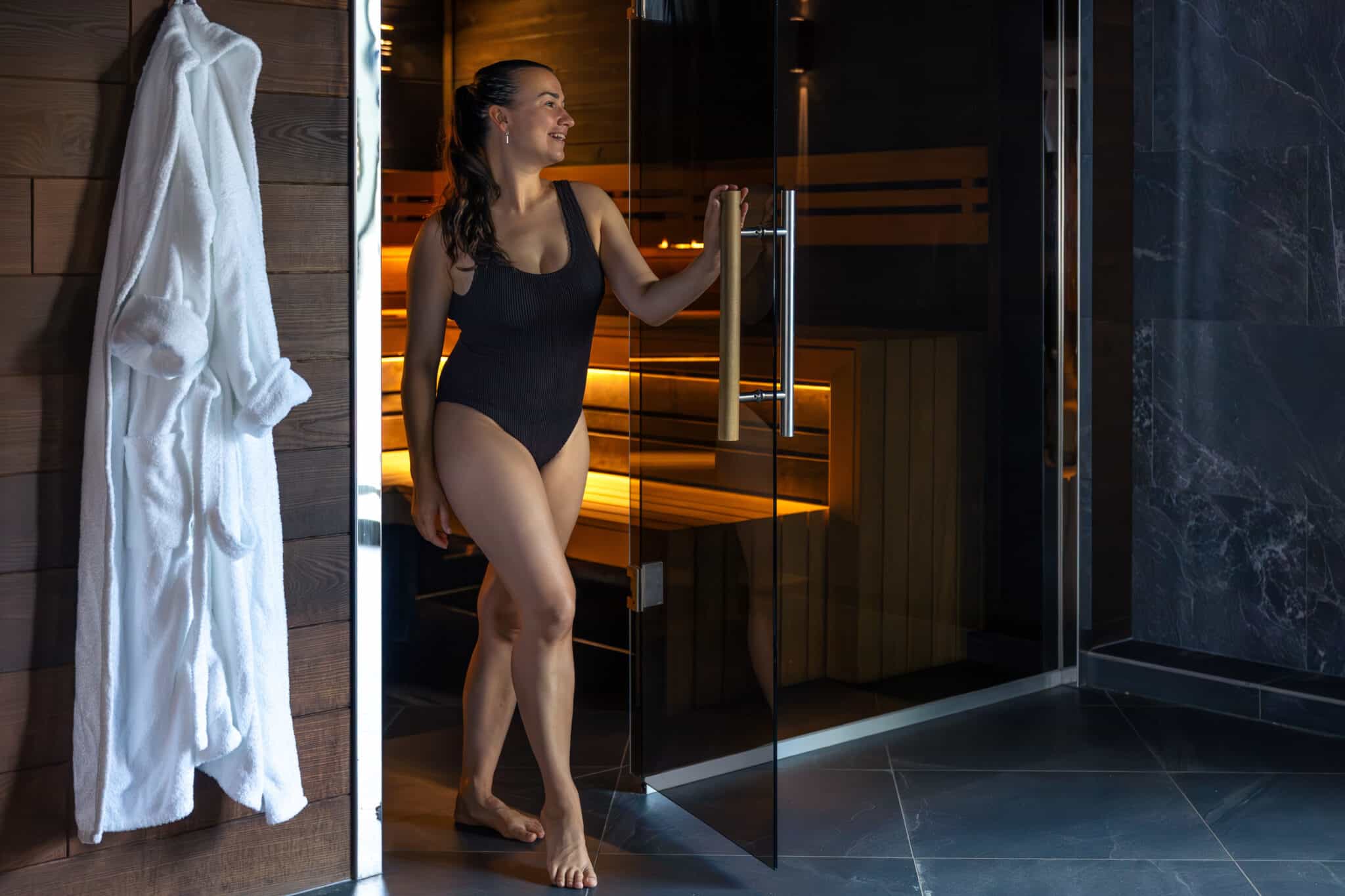
A sauna session, whether a traditional unit, infrared saunas helps prepare the body for the contrast cycle.
Once fully heated, cold immersion becomes significantly easier and more effective.
Should Contrast Therapy End on Hot or Cold?
Another frequent question is whether contrast therapy ends with hot or cold.
There’s no universal rule; the decision depends on the session’s goal.
People using contrast therapy for recovery often prefer to end cold. Ending cold may support alertness and reduce inflammation after exercise.
However, those using contrast therapy before bed sometimes prefer finishing with heat because it can promote relaxation.
So when deciding whether you should end contrast therapy on hot or cold, think about your objective.
Best Way to Do Contrast Therapy
There are many variations of contrast therapy, but the best way to do contrast therapy usually includes three simple elements:
• Consistent heat source
• Reliable cold immersion
• Structured timing
As discussed above, a typical session might look like this:
- Spend 10–20 minutes in a sauna or other heat source
- Transition into 1–3 minutes of cold immersion
- Rest briefly if needed
- Repeat for 3–5 rounds
This creates a balanced contrast therapy routine that’s easy to follow and adjust based on experience level.
For cold immersion, many people use dedicated tubs or cold plunge systems that maintain consistent low temperatures across multiple rounds.
For heat, options can vary. Some people use traditional saunas, while others use infrared saunas or other controlled heat environments, depending on preference and availability. If you’re new to sauna use, understanding how hot a sauna should be and how to sauna safely can help you get started.
How Often Should You Do Contrast Therapy?
Another common question is how often you should do contrast therapy.
For most people, the ideal frequency depends on activity level and recovery needs.
General recommendations suggest:
• 2–4 sessions per week for recovery
• Up to 5 sessions per week for experienced users
This raises another question many people ask: How often should I do contrast therapy if I’m using it regularly?
The answer depends on tolerance and recovery.
Athletes may perform contrast therapy multiple times weekly, while casual users may prefer occasional sessions.
Our clients always ask, “Can I do contrast therapy every day?” Daily sessions are possible, but beginners should increase frequency gradually.
The key is listening to your body and adjusting your contrast therapy routine accordingly.
Best Time of Day to Do Contrast Therapy
Another question people frequently ask is when to do contrast therapy.
The best time to do contrast therapy depends on what you want from the session.
For recovery, many athletes prefer post-workout sessions.
For mental clarity, morning sessions can be energizing.
For relaxation, some people practice contrast therapy before bed, followed by a final heat session.
Cold immersion timing can also influence outcomes, which is why you should investigate the best time to cold plunge.
Ultimately, when contrast therapy should be used depends on personal goals and schedule.
Setting Up Your Contrast Therapy Environment
Learning how to do contrast therapy with sauna and cold plunge is the most common starting point. Once you understand timing and structure, the next step is making sure your setup actually supports a consistent routine.
For heat, any controlled environment that allows your body to fully warm up can work, whether that’s a traditional sauna, infrared sauna, or another heat source.
For cold exposure, options range from dedicated plunge tubs to more accessible alternatives. Many people use sauna cold plunge routines with purpose-built systems, while others rely on simpler setups like sauna cold shower alternatives when a plunge isn’t available.
The key is being able to transition between heat and cold without long delays, so the body experiences the full effect of contrast temperature therapy.
If you’re new to cold exposure, taking time to learn how to cold plunge properly can make the experience more manageable and help you stay consistent over time.
How to Maximize the Benefits of Contrast Therapy at Home
Many people eventually want to understand how to maximize the benefits of contrast therapy at home.
The key factors include:
• Consistent temperature differences
• Structured timing
• Hydration
• Rest between cycles
Maintaining a reliable contrast therapy protocol ensures the body experiences the full circulatory effect of alternating temperatures.
Those interested in the long-term health effects of alternating heat and cold can explore research on the benefits of sauna and cold plunge, along with educational resources about cold plunges themselves., as well as educational resources about cold plunges themselves.
4 FAQs: Contrast Therapy Timing and Routine
1. What is the best contrast therapy routine?
The best contrast therapy routine typically alternates 10–20 minutes of heat with 1–3 minutes of cold immersion, repeated several times.
2. How long should a contrast therapy session last?
A full contrast therapy session usually lasts between 30 and 60 minutes, depending on the number of cycles.
3. How often should you do contrast therapy?
Most people practice contrast therapy two to four times per week, although some advanced users perform sessions daily.
4. What is the best time to do contrast therapy?
As mentioned above, the best time to do contrast therapy depends on the goal: after workouts for recovery, in the morning for energy, or in the evening for relaxation.
Final Thoughts on Contrast Therapy Timing
Learning the timing of contrast therapy is what turns this practice from something people try occasionally into something they can rely on consistently.
Once you understand how to do contrast therapy, how long to stay in each temperature, and how often sessions should occur, the process becomes much easier to integrate into daily life. The right contrast therapy protocol doesn’t have to be complicated—it just needs to be consistent.
Over time, alternating heat and cold can support recovery, circulation, and mental clarity. Whether practiced in a gym, spa, or a dedicated wellness space at home, a well-structured contrast therapy routine allows you to experience the benefits of heat and cold in a safe, sustainable way.
If you’re looking to build your own sauna and cold plunge setup, you can explore our products or reach out to our team with any questions. Start your wellness journey today.