
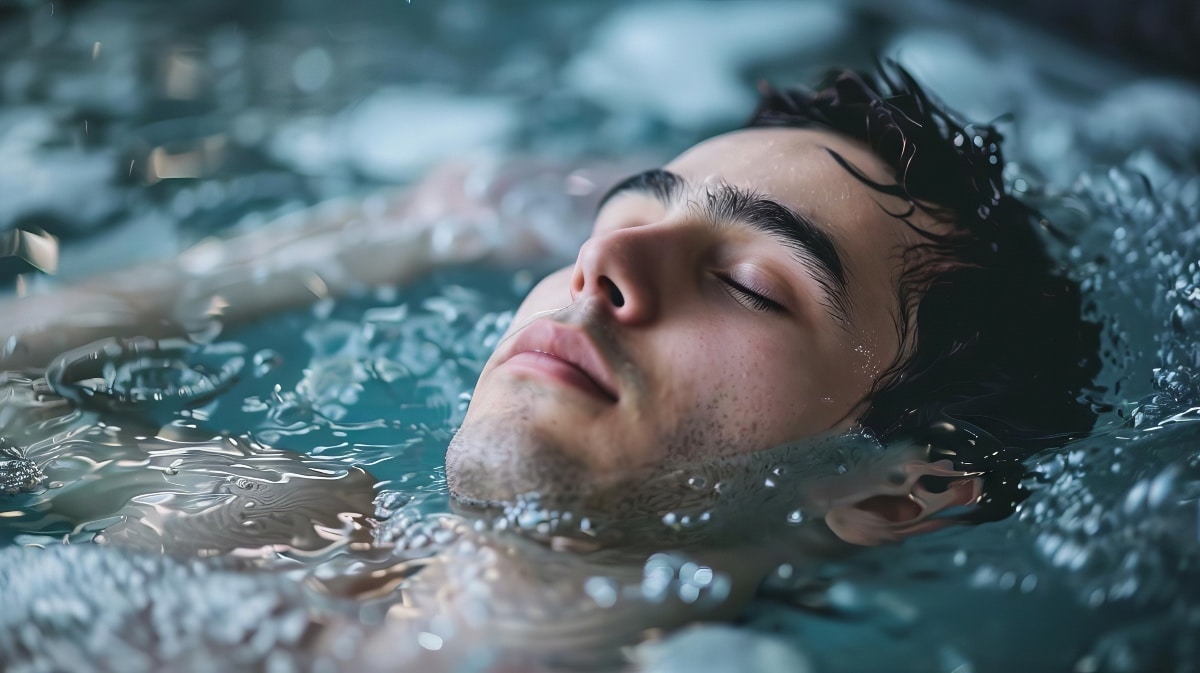
Over the past few years, taking a cold plunge has surged in popularity as a wellness practice. Mark Wahlberg, Tony Robbins, Wim Hof, Hugh Jackman, Jessica Biel, Lady Gaga, and several other celebrities rave about the icy waters, but what exactly is it? If you’re daring enough to plunge into frigid waters, a cold plunge is believed to offer a range of health benefits, whether mental or physical.
In this complete guide, we’ll explore what a cold plunge is, what happens to your body in the icy waters, and tips for incorporating it into your wellness routine. Whether you’re a seasoned athlete or new to the concept, this guide will help you understand why cold plunges are making waves in the wellness world.
What is a Cold Plunge?
Cold plunging is when someone submerges their entire body in cold water for a short period. The water temperature ranges from 50–60℉, and the session can last 30 seconds to 10 minutes. Cold plunging can occur in various settings, including bathtubs filled with icy water, cold plunge tubs (the most common), a pool, or even a natural body of water such as a lake or ocean.
How Does a Cold Plunge Work? Cold Plunge 101
Cold plunging has gained popularity over recent years, boasting numerous benefits, including improved mood, increased metabolism, mental clarity, and more. But how does this form of icy therapy actually work? What does it do to your body, and how is it so effective?
Here are cold plunge basics you should know, and how your body responds to the frigid waters:
- Cold water immersion can activate the parasympathetic nervous system, encouraging the body and mind to relax after the initial stressful event.
- Once in the frigid water, your internal temperature drops and your body heat dissipates, causing a change in your blood flow.
- While in the cold plunge, your metabolic rate rises, aiding in the production of heat and maintaining your body’s core temperature.
- The shock of icy water can also trigger the release of adrenaline and additional stress hormones, which enhance mental clarity and focus.
Immersing yourself in icy waters is an exhilarating challenge that not only pushes you beyond mental limits but also sets you on a path to a better, healthier life.
Why Are Cold Plunges Good for You?
Why does it seem like everyone is cold plunging nowadays? Simply put, it makes you feel good—mentally and physically. Lucy Pilcher at Dartmouth Hitchcock Medical Center states, “I would describe cold plunging as this energized, very connected feeling of being alive.”
Various studies have shown that cold plunge therapy is good for treating depression and boosting your mood, making it an ideal natural path for healthier living. Cold plunging reduces inflammation, relieves pain, improves muscle recovery, and enhances circulation. They can also aid in weight loss and calorie burning when appropriately used. Countless athletes and health enthusiasts swear by cold plunging therapy due to its proven benefits and ability to increase mental stability.
If you’re looking for another wellness practice to add to your routine, don’t miss the opportunity to try cold plunging. Here are a few insider cold plunge tips to keep in mind when you are just starting:
Cold Plunge Basics: 4 Tips For an Effective Plunge
Do you want to know how to cold plunge for beginners? Here are 4 steps you can take for your first cold plunge:
- Start Slowly: For beginners, start with shorter sessions, anywhere from a couple of seconds to 30 seconds or 1-minute intervals. You can wear very minimal clothing or more coverage, depending on your preference. Once in the cold waters, listen to your body and ensure you’re not pushing yourself too hard. Over time, your body will develop greater endurance and the ability to stay in the icy tub for longer sessions, potentially even up to 10 minutes.
- Focus on Your Breathing: Once in the water, stay present to your breath. Take deep breaths in and out, embracing the cold and initial discomfort. You may be surprised to find that, eventually, the cold becomes easily manageable. Maintain a steady rhythm of slow, deep breathing to calm your nervous system and promote deep relaxation.
- Stay Hydrated: Cold plunge therapy is an intense experience, both mentally and physically. Drink water and electrolytes before the session and replenish afterward to ensure your body is adequately refueled and ready to receive the full benefits of cold plunging.
- Pair it with a Sauna: Take advantage of an infrared or wood-fired, traditional Finnish sauna for a sauna cold plunge routine. The heat from saunas relaxes muscles and provides added benefits, complemented by the cold therapy of the frigid waters.
If you’d like to plunge correctly, read our in-depth guide to cold plunging for beginners!
3 FAQs About Cold Plunge Therapy
Here are 3 answers to questions we commonly hear about cold plunging:
1. Is a cold shower or ice bath as good as a cold plunge?
Cold showers and ice baths offer similar benefits to an entire submersion cold plunge, but lack the full potential of a cold plunge tub. Cold plunge tubs reach lower temperatures and cover the whole neck and abdomen, where the vagus nerve (a structure of the body that regulates stress) extends. This results in an enhanced response and a richer, more embodied sense of stress relief and relaxation.
2. What should I not do after a cold plunge?
Don’t jump into a hot shower immediately after your cold plunge session since a sudden temperature change can stress your body. It’s also recommended to avoid consuming alcohol or caffeine following the plunge, as these fluids may interfere with your body’s natural recovery process. After a cold plunge, slowly let your body return to its average temperature and take time to rest and recover.
3. How often should I cold plunge?
The duration of a cold plunge session depends mainly on the individual, but it’s usually recommended to participate in cold plunge therapy 2–3 times a week for a 1–5 minute session. If you pair icy baths with heat therapy, you can engage in a 15–30 minute sauna session followed by cold plunging.
4. What are the benefits of a cold plunge?
A cold plunge can boost circulation, reduce inflammation, improve sleep quality, enhance mental well-being, and accelerate muscle recovery. It may also improve mood and alertness by triggering a release of endorphins and increasing norepinephrine levels. Many people find it helps build mental resilience and reduces stress as well.
Start a Cold Plunge Routine With the Help of Qontrast
Are you seeking a natural way to unwind and enhance your overall well-being? It’s time to give cold plunging a try. With the help of Qontrast, you can take the plunge into icy waters from the comfort of your home. Our Utah-based spa provider specializes in the ColdFlow system that transforms any luxurious tub into an icy-cold plunge.
Our customized, cutting-edge saunas, cold plunges, and wellness rooms are tailored to your needs and preferences, allowing you to enjoy an at-home spa experience anytime, day or night. Don’t wait to experience the power of cold plunge therapy and start building a long-term health regimen. Contact Qontrast to visit our showroom and create your personalized cold plunging tub today!