
Contrast therapy has gained attention as a powerful wellness tool for both physical and mental recovery. From improving circulation to reducing stress levels, this hot-and-cold approach works with your body’s natural healing processes to promote balance and resilience.
The heat of a sauna encourages sweating, which can help unclog pores, support skin health, and relax tight muscles, while also promoting better blood flow throughout the body. Cold plunges, on the other hand, may help reduce inflammation, tighten skin, and invigorate the nervous system, leaving many people feeling refreshed and energized. Together, these therapies create a cycle of vasodilation and vasoconstriction that may support recovery, relaxation, and overall well-being.
Below, we’ll explore what contrast therapy is good for, including back pain, muscle recovery, mental health, and more, so you can better understand how this increasingly popular wellness practice may fit into your routine.
What is Contrast Therapy?
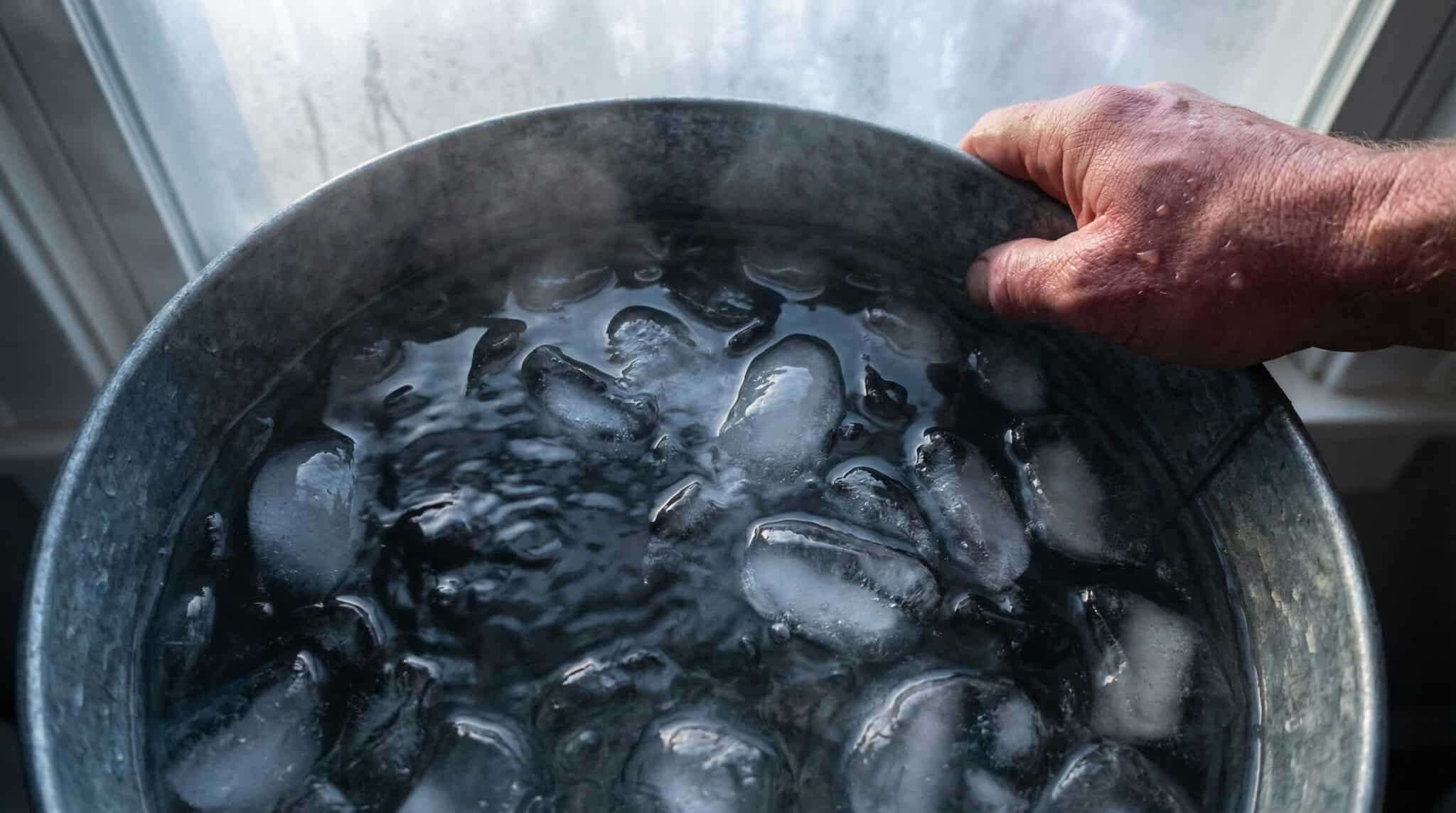
Contrast therapy is the practice of alternating between hot and cold temperatures. In most cases, it involves alternating between a sauna and cold-water immersion right after. Exposure to heat dilates blood vessels, while cold temperatures constrict them. This “pumping” effect can have significant benefits, improving circulation and delivering oxygen and nutrients throughout the body more effectively. Heat therapy can be a sauna session, and cold exposure can be cold plunging, a cold shower, or a dip in a nearby river.
- Curious to learn more? Read our blog about how to do contrast therapy, where we break down timing, routine ideas, and ideal temperatures.
6 Things Contrast Therapy is Good For
There are several benefits of contrast therapy, both physical and mental. Let’s take a look at the top things that contrast therapy is good for, so you can decide if it’s worth adding to your health routine.
1. Back Pain
Contrast therapy is a great healing modality for back pain, especially lower back discomfort. By alternating between hot and cold temperatures, contrast therapy encourages blood vessels to constrict and dilate, improving circulation and potentially supporting faster recovery in the affected area.
Additionally, contrast therapy may help support overall pain relief for back pain, as both heat and cold exposure have individually shown benefits in this area. For example, one study of 37 adults with low back pain had participants complete 10 15-minute sessions of dry sauna therapy over 1 week. Researchers found significant reductions in both pain levels and disability scores after treatment, with about 70% of participants reporting good or excellent results and no adverse effects.
The bottom line is that research on the effects of contrast therapy for back pain is ongoing. However, based on recent studies, it may be worth a try if you’re seeking a natural relief method.
2. Injuries
Contrast therapy can also be beneficial for healing from injuries. If you’re experiencing swelling, delayed recovery, or overall discomfort, contrast therapy can help relieve your symptoms. The combination of a sauna and a cold plunge can reduce swelling and promote circulation, speeding recovery.
There is even some evidence on contrast therapy for injuries. One study reviewed multiple trials on contrast therapy for musculoskeletal injuries and exercise-induced muscle soreness. The results consistently showed short-term reductions in pain and muscle soreness, as well as improvements in range of motion. Although findings varied due to differences in study design, treatment protocols, and conditions, contrast therapy appears to be a safe and potentially beneficial recovery method.
3. Muscle Recovery
Contrast therapy is a great option for enhanced muscle recovery. Cold plunges are good for reducing swelling, numbness, and inflammation. On the other hand, saunas can relax tight muscles, relieve stiffness, and improve flexibility. Combining the two can quicken recovery and help you feel relaxed after a tough workout.
4. Plantar Fasciitis
Contrast therapy can be used for plantar fasciitis, and each element helps with different things:
Cold temperatures, such as a cold plunge, constrict blood vessels and lessen swelling and inflammation.
Heat therapy, like a sauna, opens blood vessels to improve circulation and help prevent stiffness and cramps. However, too much heat can worsen pain and swelling, so moderation is key.
For those experiencing plantar fasciitis, contrast therapy can help the affected areas, such as the feet and heels, by reducing swelling and providing pain relief.
5. Weight Loss
There’s a common belief that saunas and cold plunges can help you lose weight, and while it’s true, it’s essential to understand the full picture.
Cold therapy can activate brown fat, a type of body fat that helps keep you warm in frigid temperatures. A cold plunge can stimulate brown fat to produce heat through a process called “thermogenesis,” which increases calorie burning and may support weight regulation. Preclinical studies, such as one in mice, have shown that repeated cold exposure can boost brown fat activity and influence energy balance, suggesting a potential role in fat metabolism and weight management. However, more research in humans is needed.
Hot therapy, on the other hand, can help you lose water weight and burn calories by causing you to sweat excessively. However, water weight will most likely be gained back during or after your sauna session if you rehydrate properly. Studies show that consistent sauna sessions can also increase your metabolic rate by 25%–30%. Heat therapy can also reduce stress, which is often correlated with weight gain or stubborn pounds you can’t seem to lose.
Overall, contrast therapy can be used for weight loss or to aid in losing that stubborn fat, but it shouldn’t be the only method you’re trying. Things like regular exercise, diet, and overall lifestyle are just as important, if not more so, in the long term.
6. Mental Health
If you’re struggling with your mental health, contrast therapy can be a solid path towards feeling more like yourself. Both hot and cold therapy can boost mental health in several ways:
Heat therapy, such as saunas, has been known to regulate the nervous system and improve mood, decrease stress, and lessen anxiety. One review suggests that regular sauna use may be linked to lower symptoms of depression and anxiety, better sleep quality, and improved cognitive function, possibly due to effects like endorphin release, reduced inflammation, and regulation of the stress response system. In another 2005 study, regular sauna sessions appeared to help mildly depressed people recover appetite, feel better in their bodies, and feel more relaxed mentally.
Cold therapy also has similar effects on mental health. Exposure to frigid temperatures can release neurotransmitters such as dopamine and norepinephrine, which enhance mental clarity, focus, and mood. A 2023 study on cold-water immersion found that a short cold plunge can improve mood and emotional state, increasing positive feelings like alertness and energy while reducing negative emotions such as stress and nervousness. Brain imaging also showed changes in areas involved in emotional regulation and self-awareness, suggesting improved mental balance after exposure.
When combined, hot and cold therapy have a similar positive impact on mental health. One recent study on contrast therapy found that repeated hot–cold cycles led to a state of deep relaxation and improved mood, often called the “totonou” state. Participants showed measurable changes in brain activity (increased alpha/theta waves), reduced stress markers, and faster reaction times, indicating both mental calm and improved cognitive function.
Overall, contrast therapy shows promising benefits for mental health, with research suggesting improvements in mood, stress levels, and relaxation.
7. High Blood Pressure
Contrast therapy may support healthy blood pressure by influencing how blood vessels function.
When you immerse yourself in cold water, the body experiences an initial “cold shock” response that increases heart rate, breathing, and blood pressure as blood vessels constrict to preserve heat and redirect circulation toward vital organs. While this temporary spike means people with cardiovascular conditions should consult a healthcare professional before beginning cold plunges, repeated exposure may lead to beneficial adaptations over time.
Sauna use, on the other hand, is often linked to lowering the risk of developing hypertension. A long-term Finnish cohort study of 1,621 men followed for nearly 25 years found that people who used a sauna 4–7 times per week had about a 46% lower risk of developing high blood pressure compared to those who used it once weekly. Further research also shows that bathing can reduce vascular resistance and improve arterial flexibility, helping blood vessels expand more easily—an important factor in healthy blood pressure regulation.
While more research is needed on contrast therapy specifically, current evidence suggests it may be a beneficial complementary practice for cardiovascular health. However, individuals with high blood pressure or other heart conditions should consult a healthcare professional before beginning a routine, as the rapid temperature changes can temporarily affect heart rate and blood pressure.
3 FAQs About What Contrast Therapy is Good For
1. Is contrast therapy safe?
Yes, contrast therapy is generally safe for healthy adults when done right. There are a few situations where it’s not a great idea. For example, if you’re sick, it’s best to wait until you feel better before saunas or cold plunges. If you’re pregnant, it’s often not recommended to sauna or cold plunge, but there are exceptions. Furthermore, if you have a cardiovascular disease, uncontrolled high blood pressure, or arrhythmia, consult with a doctor before doing contrast therapy.
- A common misconception of sauna use is that it can cause cancer, but read the truth about it in our article on saunas and cancer.
2. When is the best time to do contrast therapy?
About 1–3 hours after waking is a great time to do contrast therapy for a boost in energy. If you regularly work out, try contrast therapy within 60 minutes after a workout to maximize recovery. There isn’t a perfect time to do sauna and cold plunge therapy, so try different routines and times to see what works for you.
3. How long does contrast therapy last?
Contrast therapy usually lasts about 15–30 minutes, depending on how long you’re in hot and cold therapy sessions. A standard routine can include 3–4 minutes of heat followed by 1 minute of cold, repeated 4–5 times.
Contrast Therapy: The Health-Forward Alternative for a Balanced Life
Are you ready to experience the benefits of contrast therapy for yourself? Incorporating regular sauna and cold plunge sessions into your routine can support recovery, improve circulation, promote relaxation, and help you feel more balanced overall. Whether your goal is better physical recovery, mental clarity, or simply carving out intentional time to recharge, contrast therapy offers a simple, science-backed way to invest in your long-term wellbeing.
If you’re in Utah, Qontrast provides a premium contrast therapy experience with traditional indoor and outdoor saunas, infrared saunas, cold plunges, and our signature ColdFlow system that transforms any tub into an icy experience, all designed to help you reset and recover in a comfortable, wellness-focused environment. Schedule a visit to our showroom to experience how contrast therapy can support a healthier, more balanced lifestyle.